Nothing ruins the holiday spirit faster than Christmas lights that won’t work. You’ve untwisted the strands, plugged them in, and still nothing lights up. Don’t worry, most problems are easy to fix.
In this guide, we’ll show you simple, step-by-step ways to check and fix your Christmas lights. Whether it’s just one burnt-out bulb or a tricky wire problem, we’ll help you get your lights shining again. By the end, your home will look bright and ready for the holidays.
Why Your Christmas Lights Stop Working
Before diving in, it helps to know the most common reasons your lights might fail:
- Power issues: The outlet or circuit may not be working.
- Blown fuses: Many light strands have small fuses in the plug that can burn out.
- Burnt-out or loose bulbs: Even one faulty bulb can darken a whole section.
- Damaged wires or sockets: Frayed wires or broken sockets can stop the lights completely.
Step-by-Step: How to Fix Christmas Lights
Here’s a simple, effective method to troubleshoot and fix your lights:
1. Check the Power
- Plug your lights into a different outlet to see if the original outlet is the problem.
- If nothing works, check your circuit breaker — sometimes a tripped breaker is the culprit.
2. Inspect the Plug and Fuse
- Older light strands often have tiny fuses inside the plug.
- Unplug the lights and open the fuse compartment. If the fuse is burnt or broken, replace it with one of the same type.
- This small step can often bring your whole string back to life.
3. Examine the Whole String
- Unwrap the lights completely and look for frayed wires, broken sockets, or damaged insulation.
- If the wiring is damaged, it’s safer to replace the strand instead of risking a fire.
4. Check the Bulbs
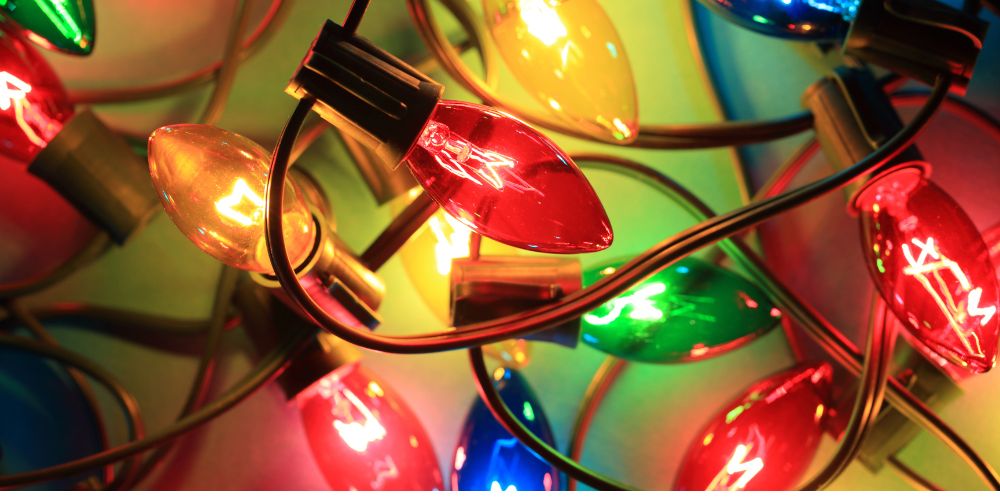
- Looking for burnt-out bulbs, dark, broken, or missing filaments are the usual signs.
- Replace any bad bulbs with ones that match the same type and voltage.
- Make sure all bulbs are fully seated in their sockets; a loose bulb can cause a whole section to go dark.
5. Replace the String if Needed
- If none of the fixes work or the wire is badly damaged, it’s safer to replace the entire string.
- Modern LED strings are safe, energy-efficient, and last longer than older incandescent strands.
Extra Tips to Keep Your Lights Working
- Store lights carefully: Coil them loosely to avoid damaging wires or sockets.
- Keep spare bulbs and fuses: Many sets come with extras, and having them on hand is helpful.
- Don’t mix LED and incandescent strands: They work differently and mixing can cause problems.
- Test lights before decorating: This prevents surprises while you’re putting them up.
When to Stop Fixing
Sometimes, trying to repair old lights isn’t worth the effort. Replace your lights if:
- Wires are frayed, or sockets are broken.
- Several bulbs or sections fail repeatedly.
- Repairing feels complicated or unsafe.
New LED strings are often the easiest solution — they’re safe, bright, and energy-efficient.
Also Read: How to Put Lights on a Christmas Tree
Final Thoughts
Fixing Christmas lights doesn’t have to be hard. Most problems are simple; check the outlet, fuses, bulbs, and wires first. With a little patience, your lights can shine brightly again for the holidays.
But if you want to save time and make sure everything looks perfect, we at The Works Lighting Services can help. Our team can do it all — from fixing broken lights to putting up full holiday decorations, inside or outside. With our help, your home can look beautiful without any stress, and your holiday lights will be safe, bright, and ready to impress your guests.